Paint the Facts
A calm coloring book for iPhone and iPad. Choose a picture, paint it with its own glowing inks, and learn something true about what’s under your brush.
Coming soon to the App Store
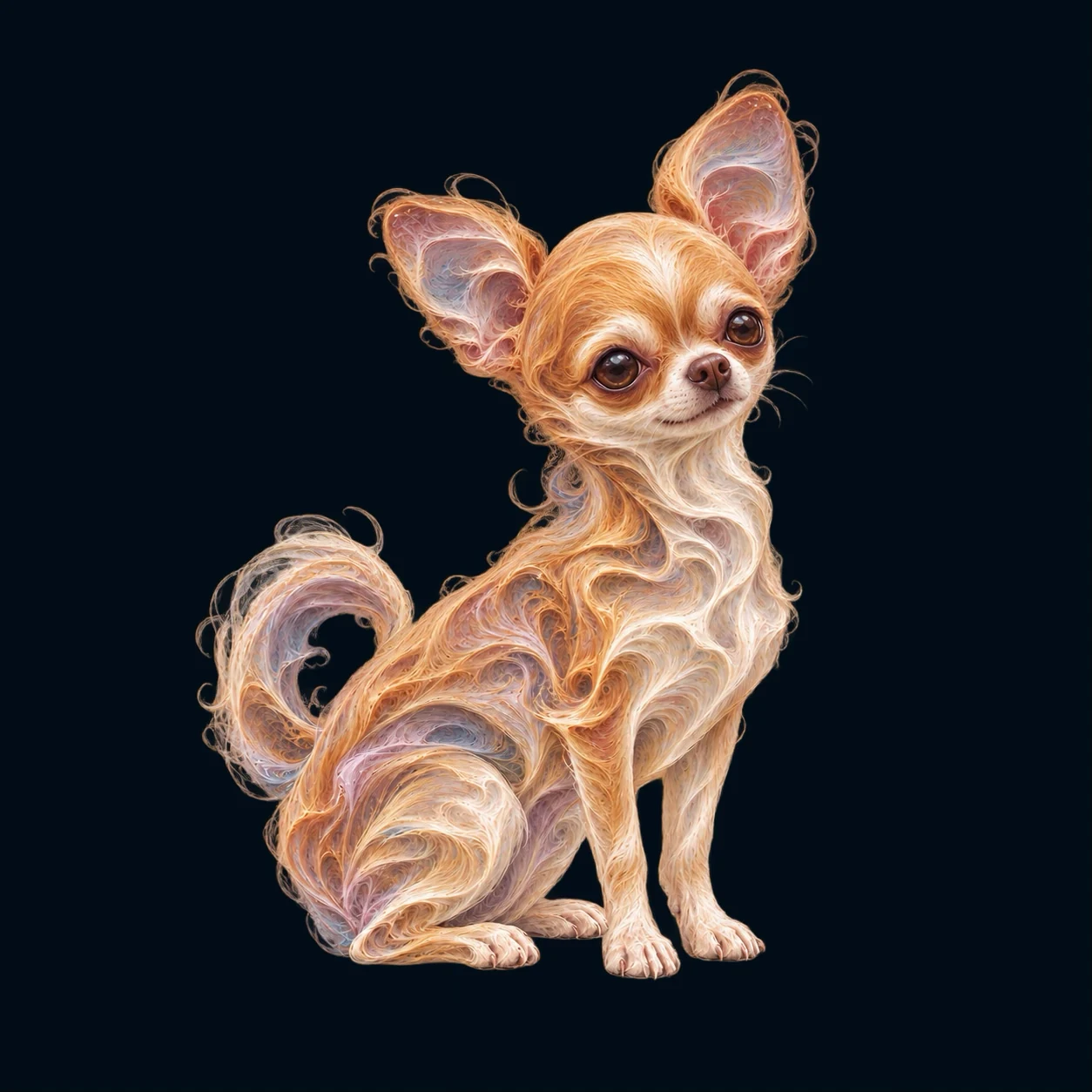
229 pictures, each one a small world.
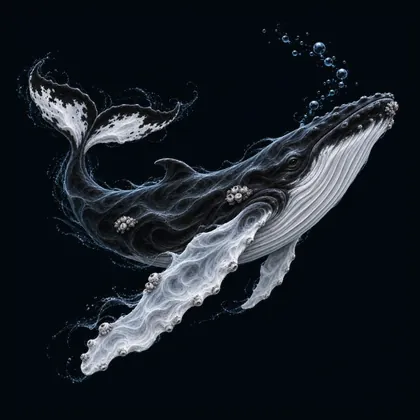
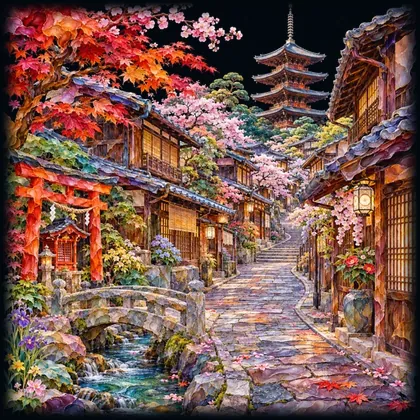
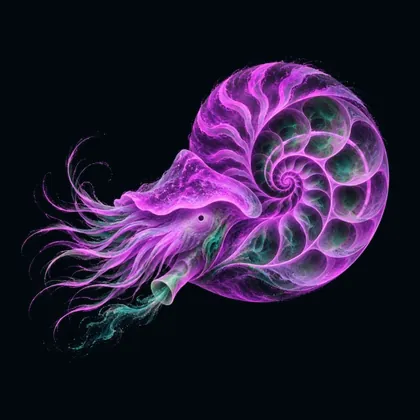
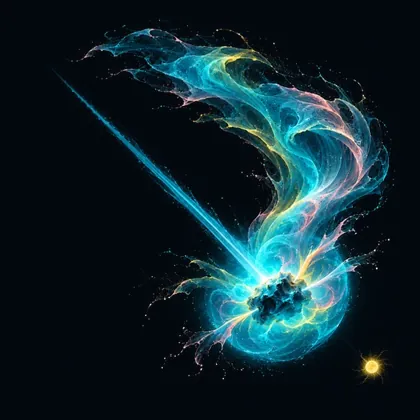
Koi and comets, castles and caravels, cities at dusk and creatures that never were. Every picture arrives on a dark canvas with five inks chosen for it alone, and a handful of things worth knowing about what’s inside.
-
Science
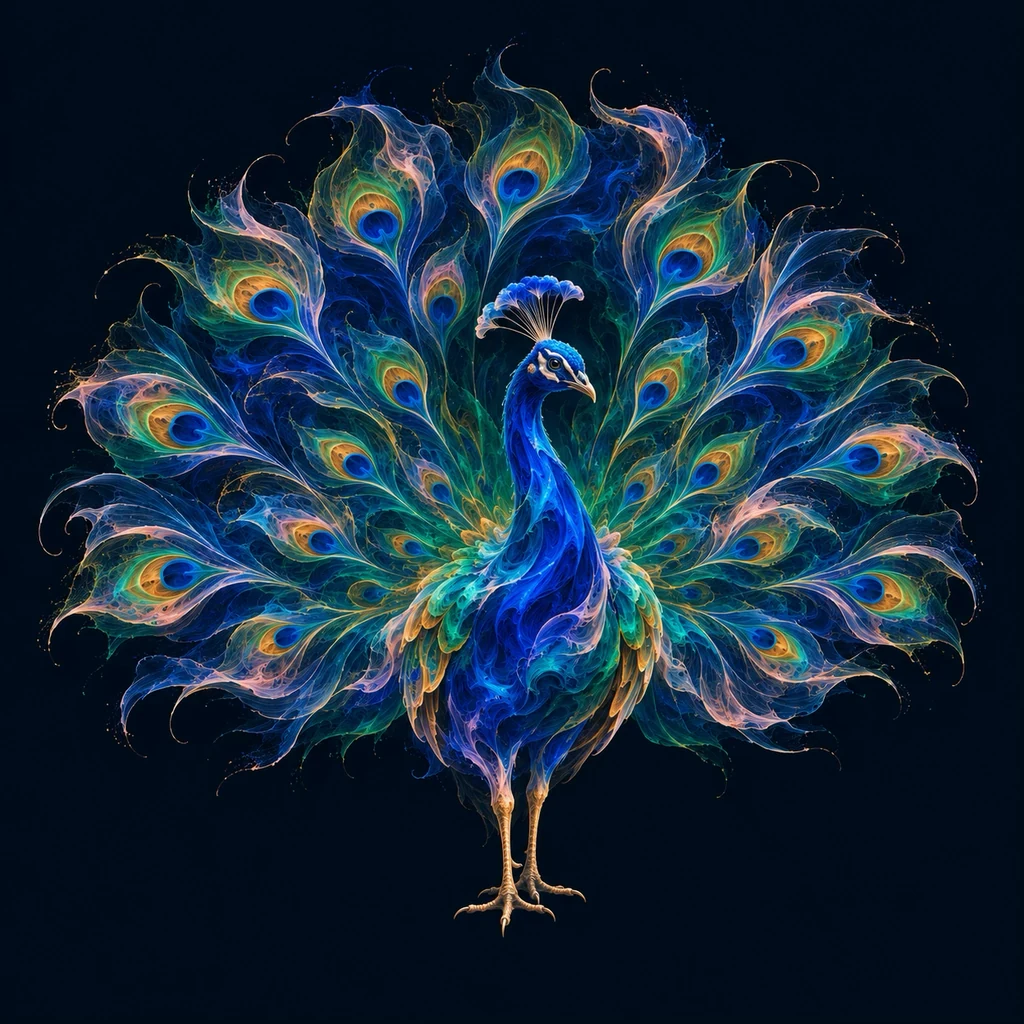
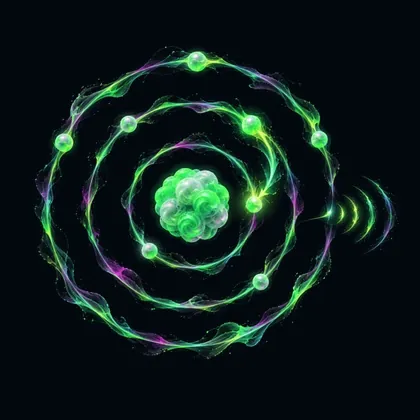
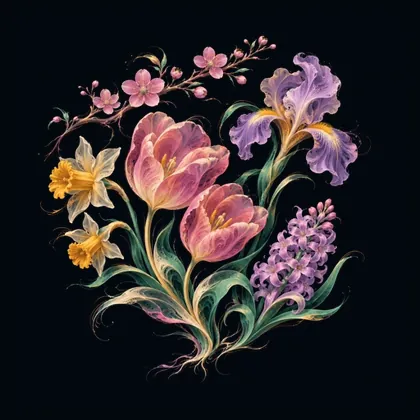
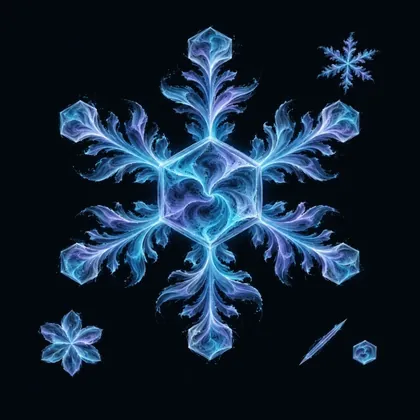
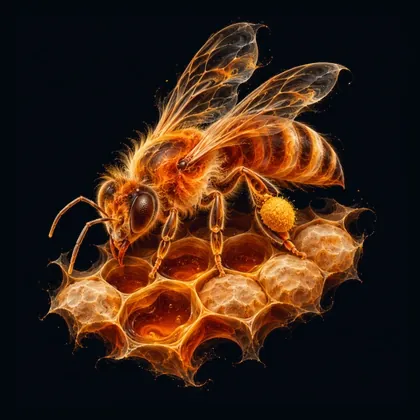
Animals and dinosaurs, planets, inventions, physics, flowers, crystals and the worlds you need a microscope to see.
-
History
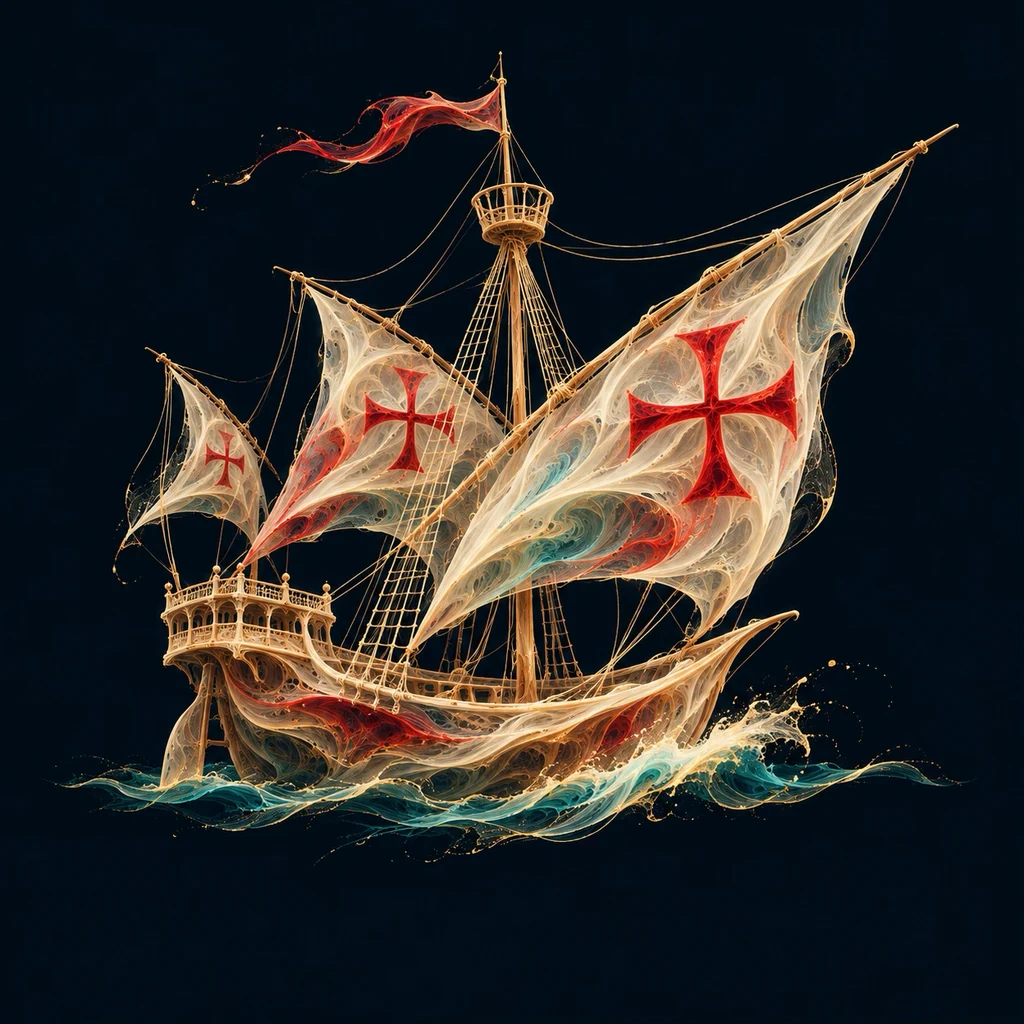
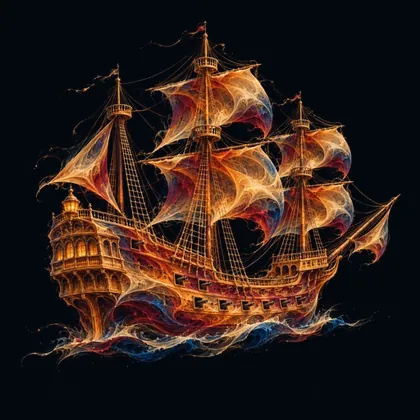
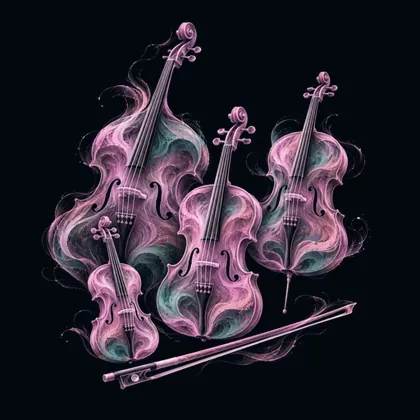
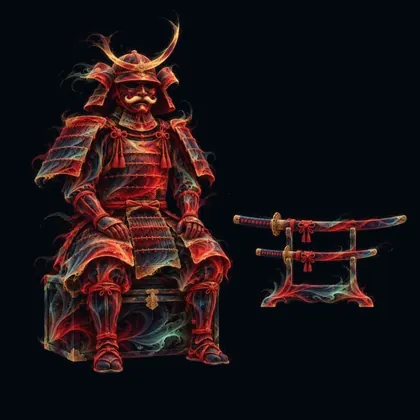
Empires and castles, ships and navigators, the armor warriors wore and the instruments people played.
-
Geography
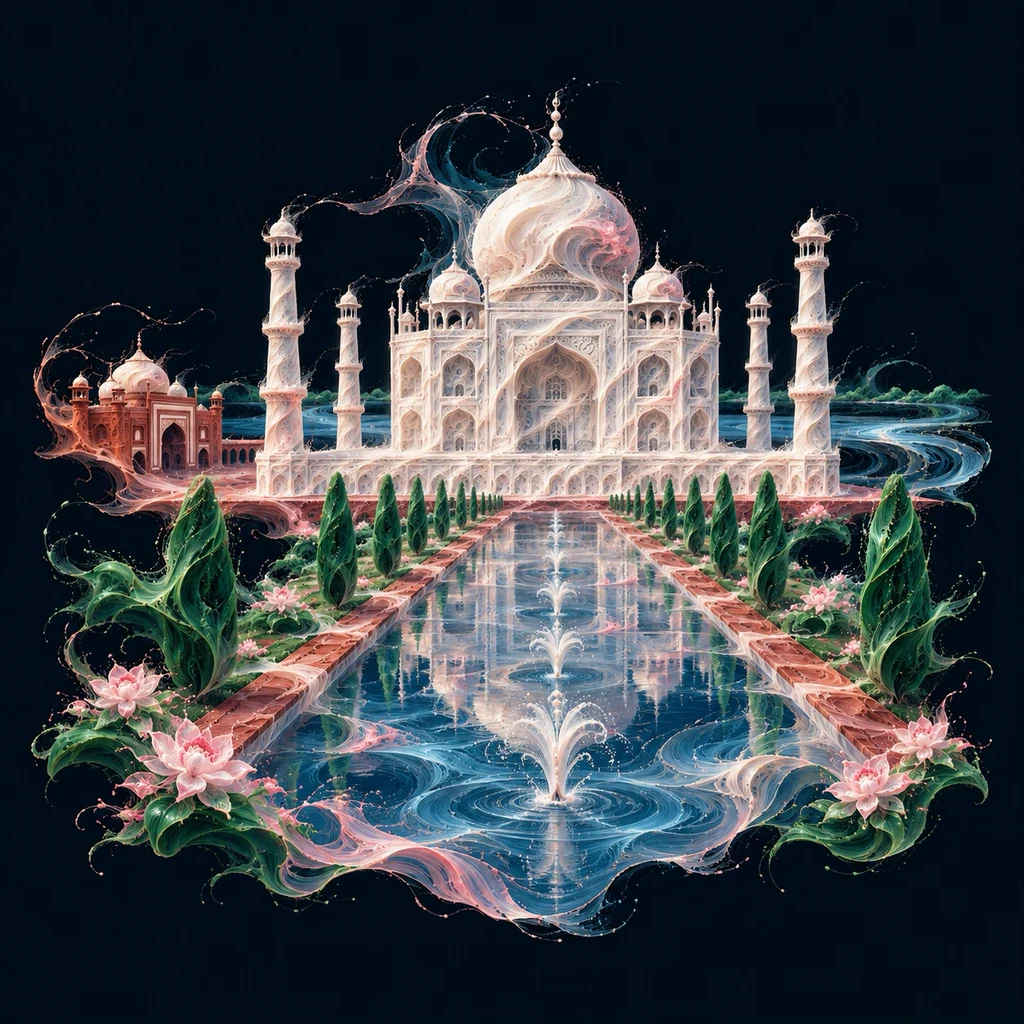
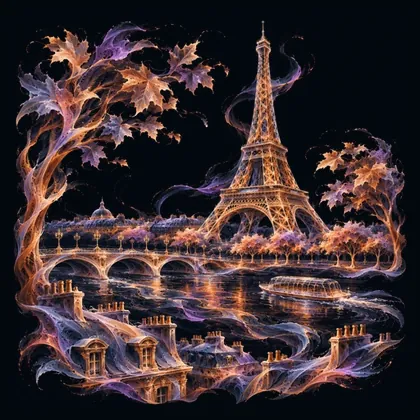
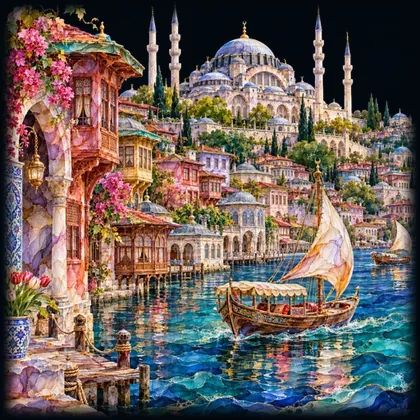
Cities, wonders and landscapes, from the canals of Venice to the fjords of Norway.
-
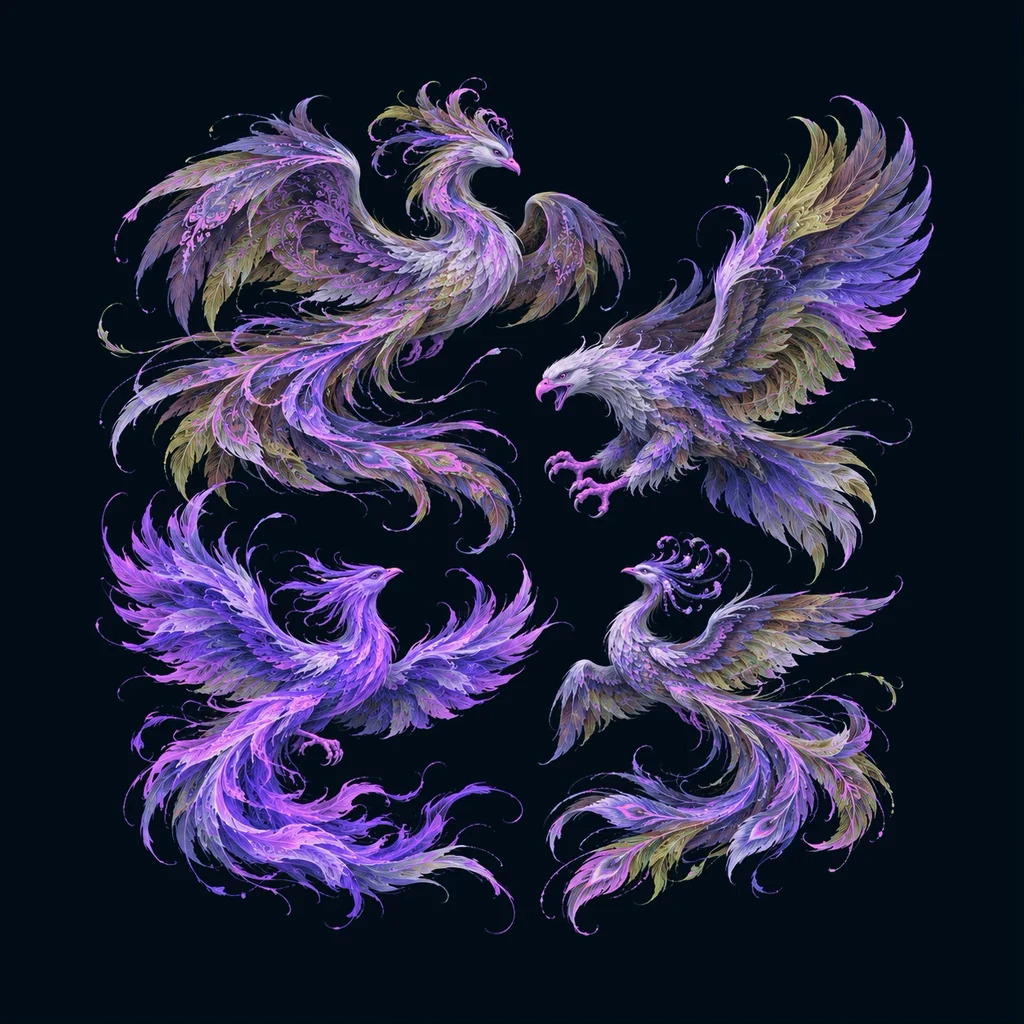
Imaginary
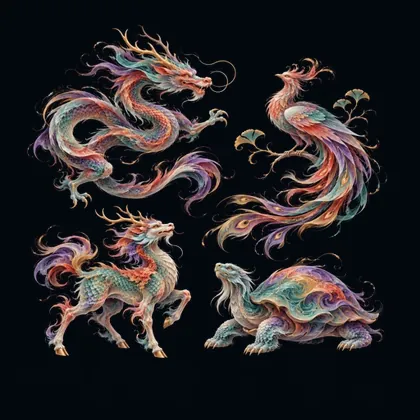
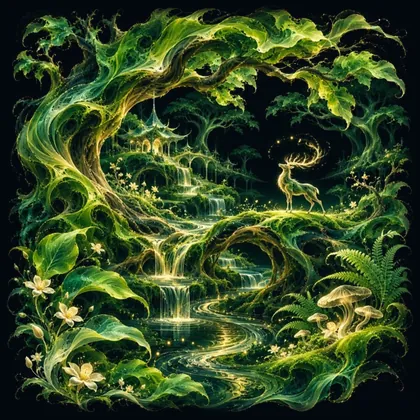
Detailed scenes and mythical creatures, for the days when the facts are folklore.
Choose a color. Watch it find its place.
Pick one of the picture’s inks and sweep a finger across the canvas. The ink flows like a liquid and settles only where that color belongs, and it keeps spreading for a moment after you lift your finger, the way real ink would.
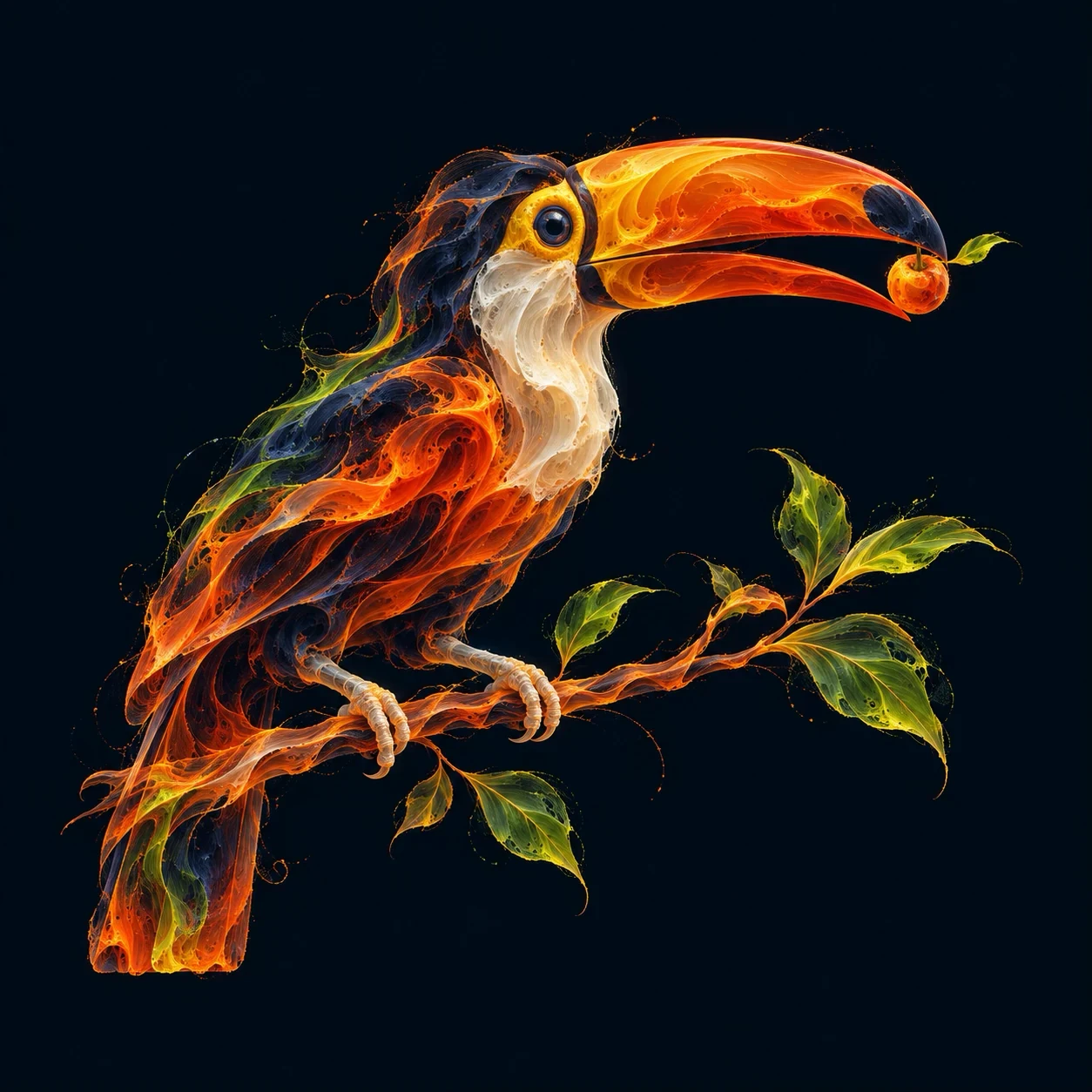
Ember · 1 of 5
The biggest bill
The toco, about 60 cm long, is the largest of all toucans. Its bill is a third of that, yet light: keratin over a foam of bone, and a radiator that sheds heat.
Saffron · 2 of 5
Croaks and grips
A toco’s call is a deep, rough croak, more frog than songbird. Two toes point forward and two back, for a firm grip on branches.
Lime · 3 of 5
Life in the trees
Toucans eat mostly fruit, and nest in tree hollows, often old woodpecker holes. Both parents take turns keeping the two to four eggs warm.
Indigo · 4 of 5
Reaching the fruit
A long bill plucks fruit from twigs too thin to bear the bird’s weight, and its edges are notched like a saw to grip slippery fruit.
Pearl · 5 of 5
Folded for sleep
At night a toucan lays its long bill along its back and flips its tail over the top. Tucked in like this, a bird with an enormous bill takes up surprisingly little room.
Each color tells a chapter. Paint with the wand and every ink brings its own short story about the picture. Read all five in any order and you’ve heard the whole thing.
A badge counts what’s left. It shows how many colors still have areas to fill. When the last one is done, your iPhone answers with a gentle tap.
Or paint every stroke yourself. Switch the wand off and the brush is yours. Lock what you’ve finished, and new paint only goes where there’s none yet.
Every part of the picture has something to say.
Start a stroke on Saturn’s rings and a quiet glass card tells you what they’re made of. The fact always belongs to the smallest thing under your brush, so painting a dome teaches you about the dome, not the whole mosque.
1,910 facts across the collection, each short enough to read in a single breath.
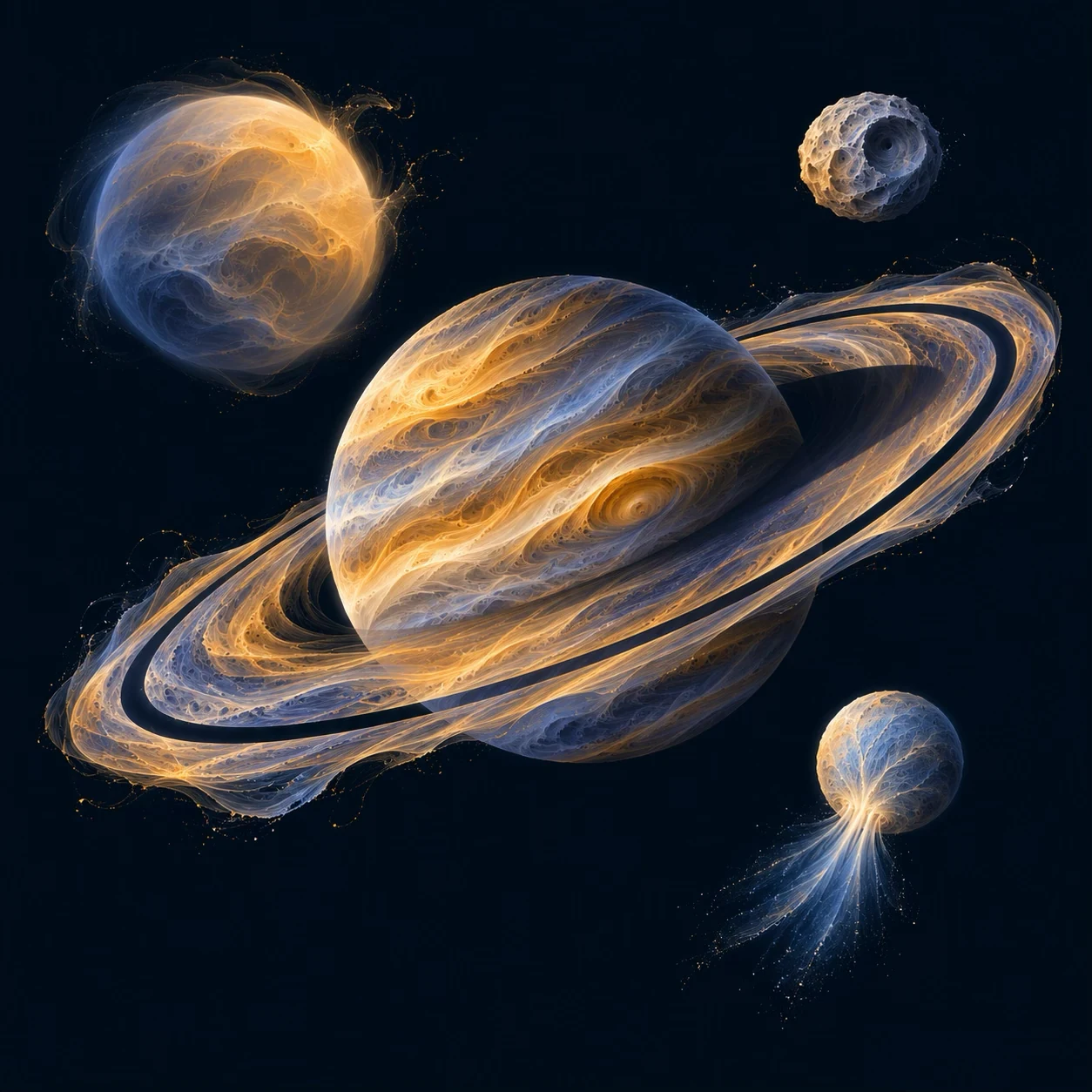
Saturn has more known moons than any other planet, over 270, most of them small. The largest, Titan, is bigger than the planet Mercury.
A jet stream at Saturn’s north pole forms a giant six-sided shape. Each side of this hexagon is longer than Earth is wide.
The rings are made almost entirely of water ice, in pieces from tiny grains to chunks as big as a house. All that ice is why they shine so brightly.
The Cassini Division, about 4,800 km wide, was found by Giovanni Cassini in 1675. The pull of the moon Mimas keeps this gap in the rings mostly clear.
A year on Saturn lasts about 29.5 Earth years, so each season runs about seven. As they change, the planet’s shadow slowly shifts across its rings.
Mimas is only about 400 km across. Yet in 2024, scientists found signs of a young ocean hidden under its cratered, icy crust.
At about 140 km, Herschel Crater spans a third of Mimas, giving it a Death Star look. Star Wars came out in 1977, three years before Voyager 1 saw it.
Enceladus is just 500 km wide and coated in fresh snow, so it reflects nearly all the sunlight that hits it. Few known worlds shine so brightly.
In 2005 the Cassini probe saw jets of ice spraying from cracks at Enceladus’s south pole, fed by an ocean below. The spray forms one of Saturn’s rings.
All the Facts, on one page. When you want the whole story, one page gathers everything a picture tells. Share it as a PDF made for paper: no card is ever split between two pages, and no heading is left alone at the bottom of one.
Your place is kept. The card counts as you go, “Fact 3 of 9”, and what you’ve read is saved with the painting, so you pick up where you left off.
Only want to paint? Turn Fact Cards off in Settings and the canvas stays quiet.
Turn the picture. There’s more behind.
Every picture carries its own relief, prepared ahead of time for that picture alone. Look at your painting from the side, or paint it one plane at a time, from the far distance to what’s right in front of you.
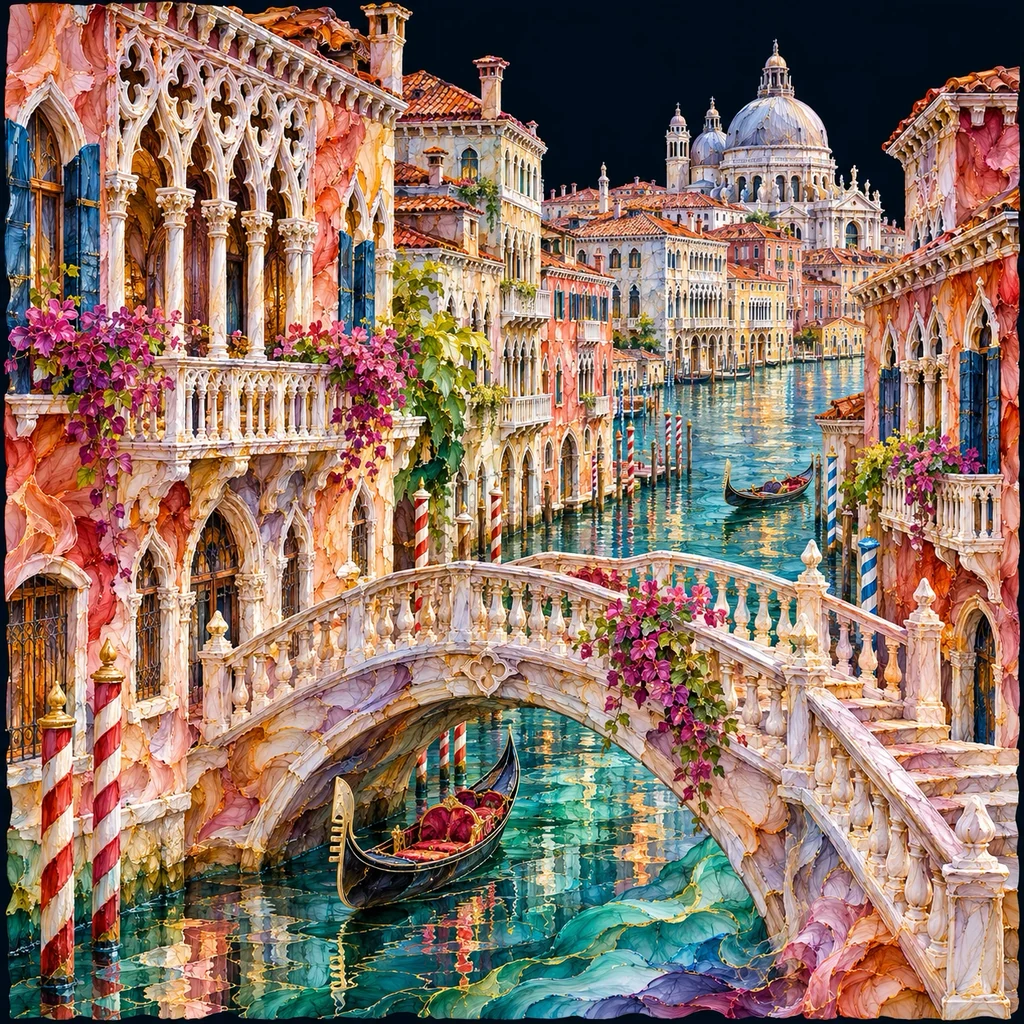
Straight on
A picture like any other
Every painting opens flat and familiar, just as it looked in the gallery.
From the side
The canal opens up
Push the small glass stick in the corner and the canvas turns. The bridge comes toward you, the palaces fall back, and the water opens up between them.
Far plane
Start with the distance
Choose a plane and everything else steps back, so your brush only finds the sky and the domes far away.
Middle plane
Then the palaces
Next come the facades along the water, while the bridge waits its turn in front.
Near plane
Finish up close
The bridge is nearest of all. Each plane has its own ring on the stick, and the outermost ring is the closest.
Inks that hold the light.
The drops in the palette aren’t flat swatches. Each one is a small cloud of marbled ink, three layers deep, with 54 grains of light drifting in front and behind. Tilt your iPhone and the nearest grains move the most.
Every stroke also lets loose a little ink that follows your gesture, curls into eddies and fades within seconds, without ever staining the painting. And on displays that can show it, the brightest ink glows above ordinary white.
- Coral
- Turquoise
- Deep Blue
- Golden
- Pearl
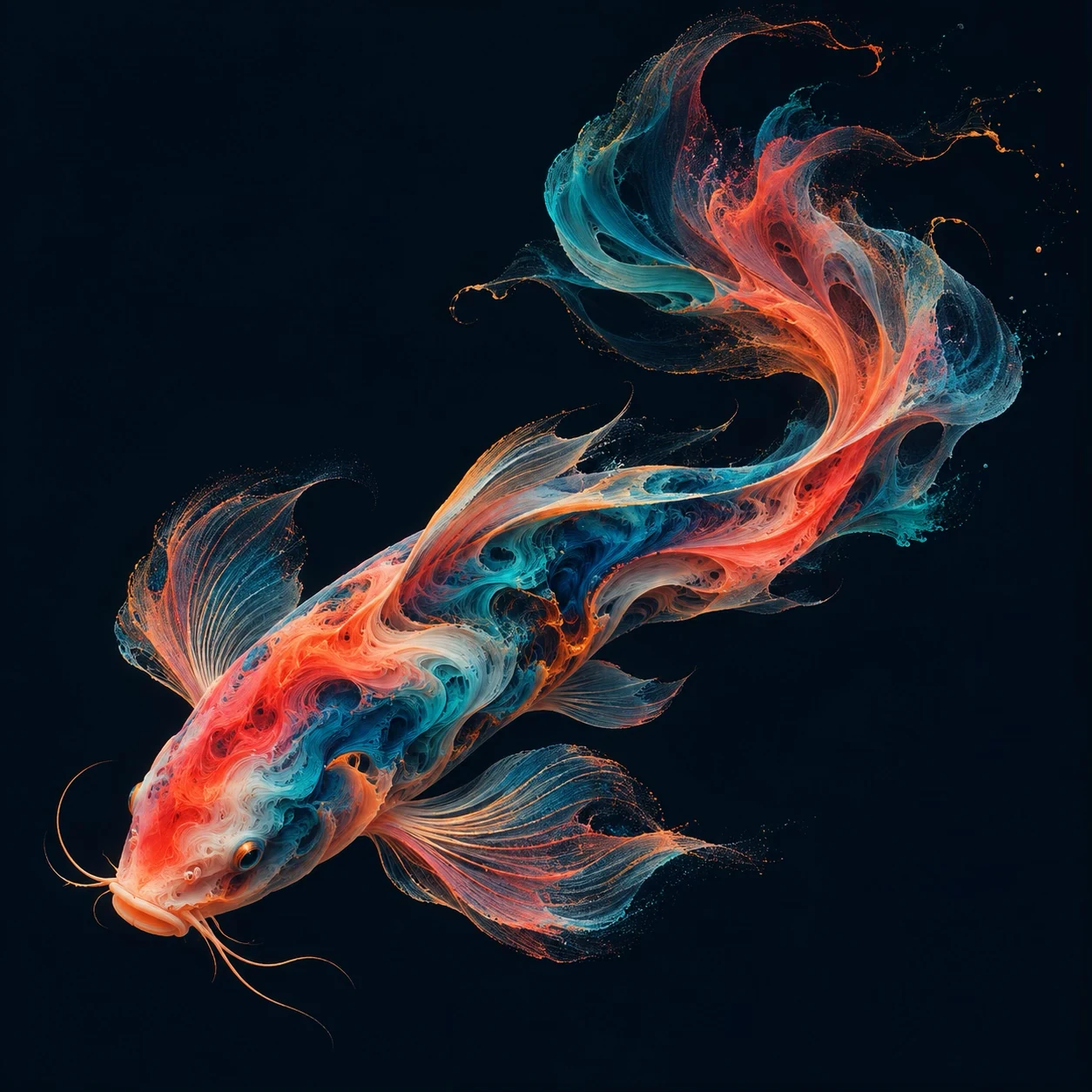
Watch it come together, color by color.
Share a painting as a video and it forms from particles of light, one color after another, in the order you first used them, with loose ink still drifting behind.
It’s made from what you painted, not a replay of your strokes, so every video is a small piece of its own. Prefer a still? Share a crisp 2048-pixel image instead.
Find the picture that calls you.
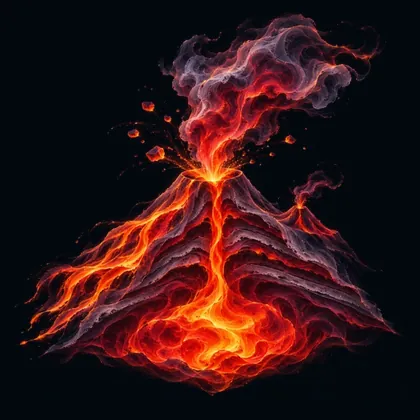
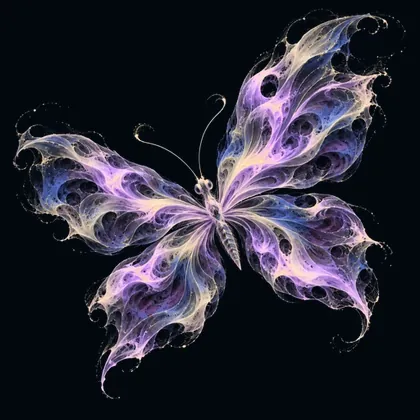
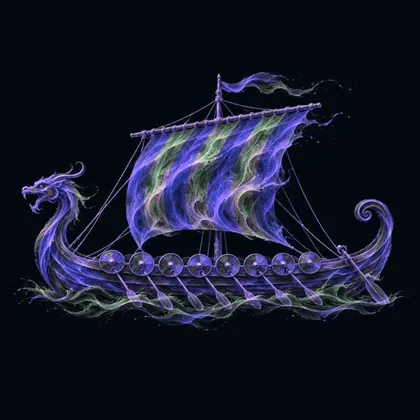
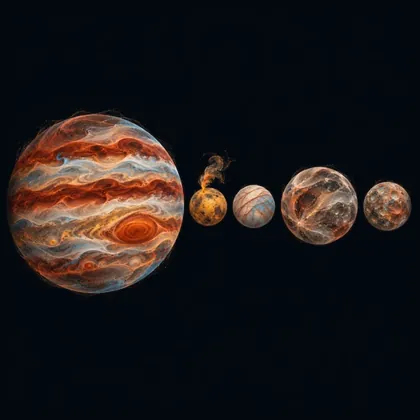
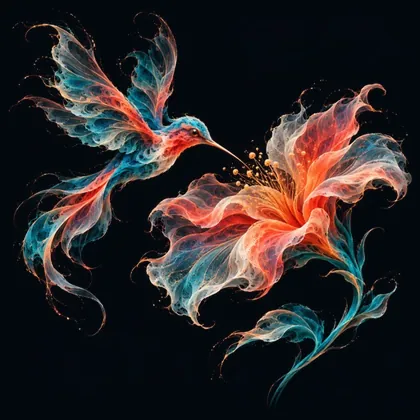
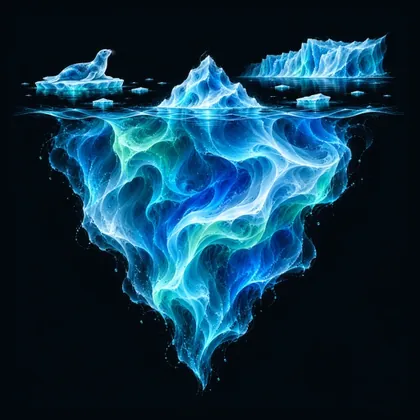
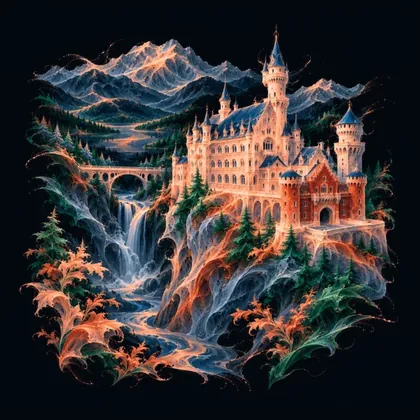
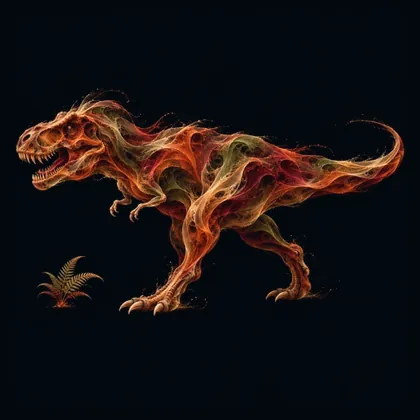
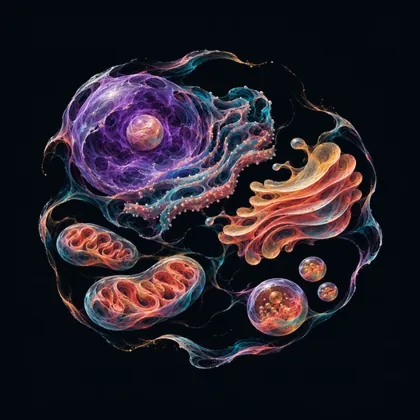
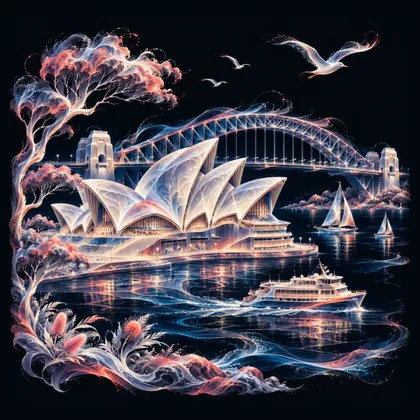
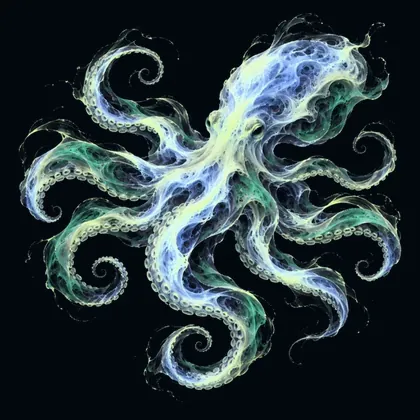
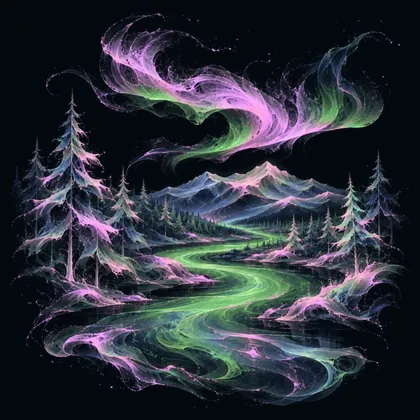
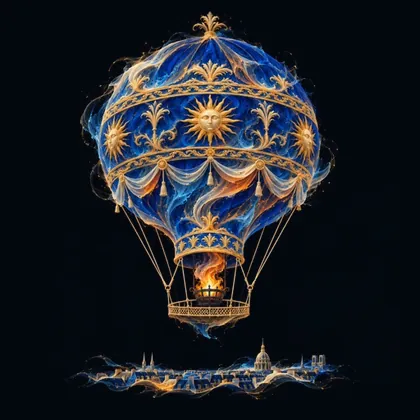
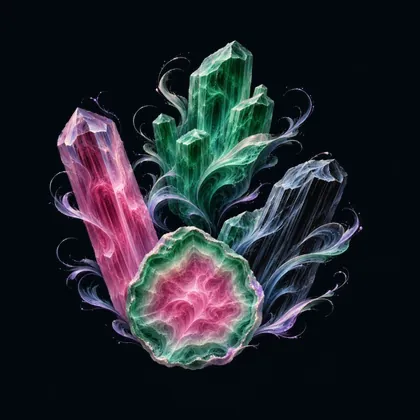
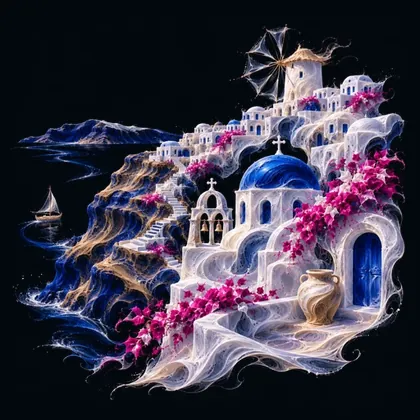
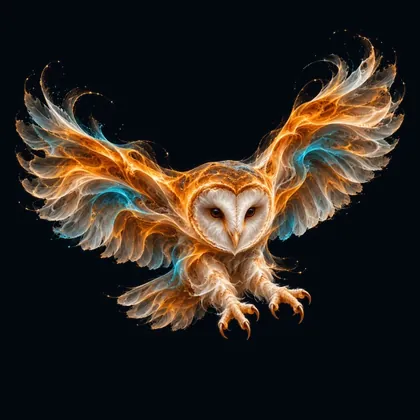
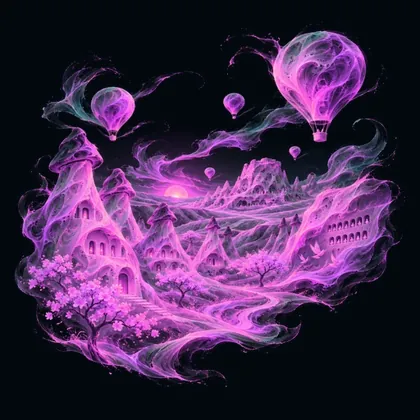
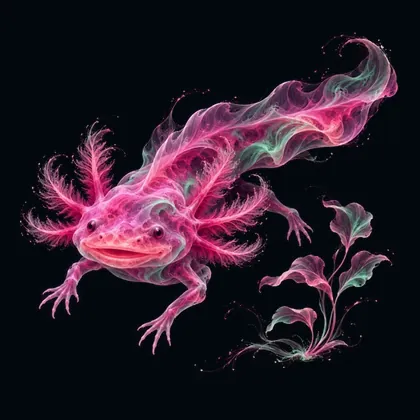
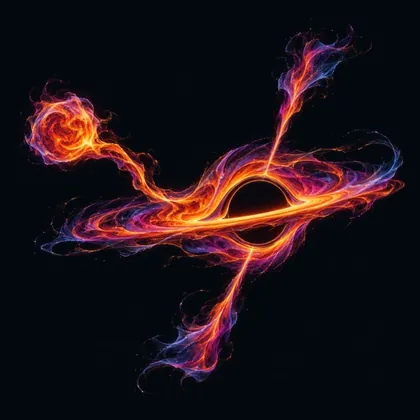
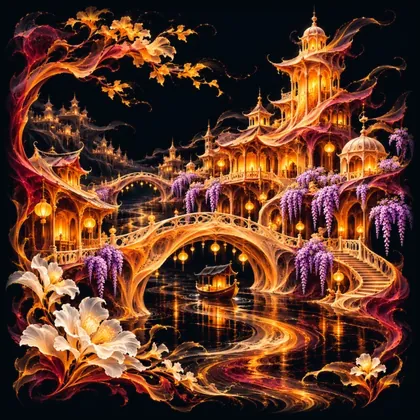
The gallery is a living wall: no frames, pictures in ones, twos and threes that tilt gently as you move your device. Each name carries a small mark in the picture’s own color, with how many facts and colors are inside. Your paintings wait in the Studio, and Continue brings back the one you left unfinished.
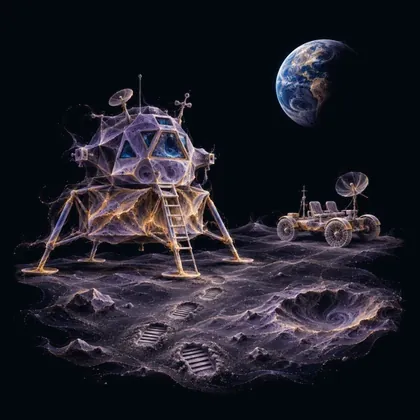
Made slowly, on purpose.
We build Paint the Facts the way we’d want to use it: measured on real iPhones, redone when it doesn’t feel right, and finished down to the parts nobody asks about. A few of them.
Up to 120 frames a second
Painting stays fluid on ProMotion displays, and every rule that keeps it there came from a measurement on an iPhone, not a guess.
It opens where you tapped
The canvas grows out of the very picture you touched, on a spring, and settles back into it when you close.
Undo knows your colors
Undo a stroke and its color leaves the count; redo it and the color returns. The eraser never counts as a color.
No hunting for the last speck
A color counts as finished at 95 percent, and so does the painting. Done should feel done.
Names that never wrap
A long name shrinks a little before it would ever break across two lines under its picture.
Your paintings are yours
No account, no ads and no tracking. Everything you paint stays on your device until you choose to share it.
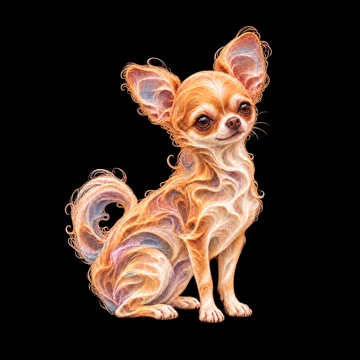
Coming soon for iPhone and iPad.
Paint the Facts is on its way to the App Store. It will run on iOS and iPadOS 26 or later.
From the makers of Condensa, focused learning for grades 4–12.